
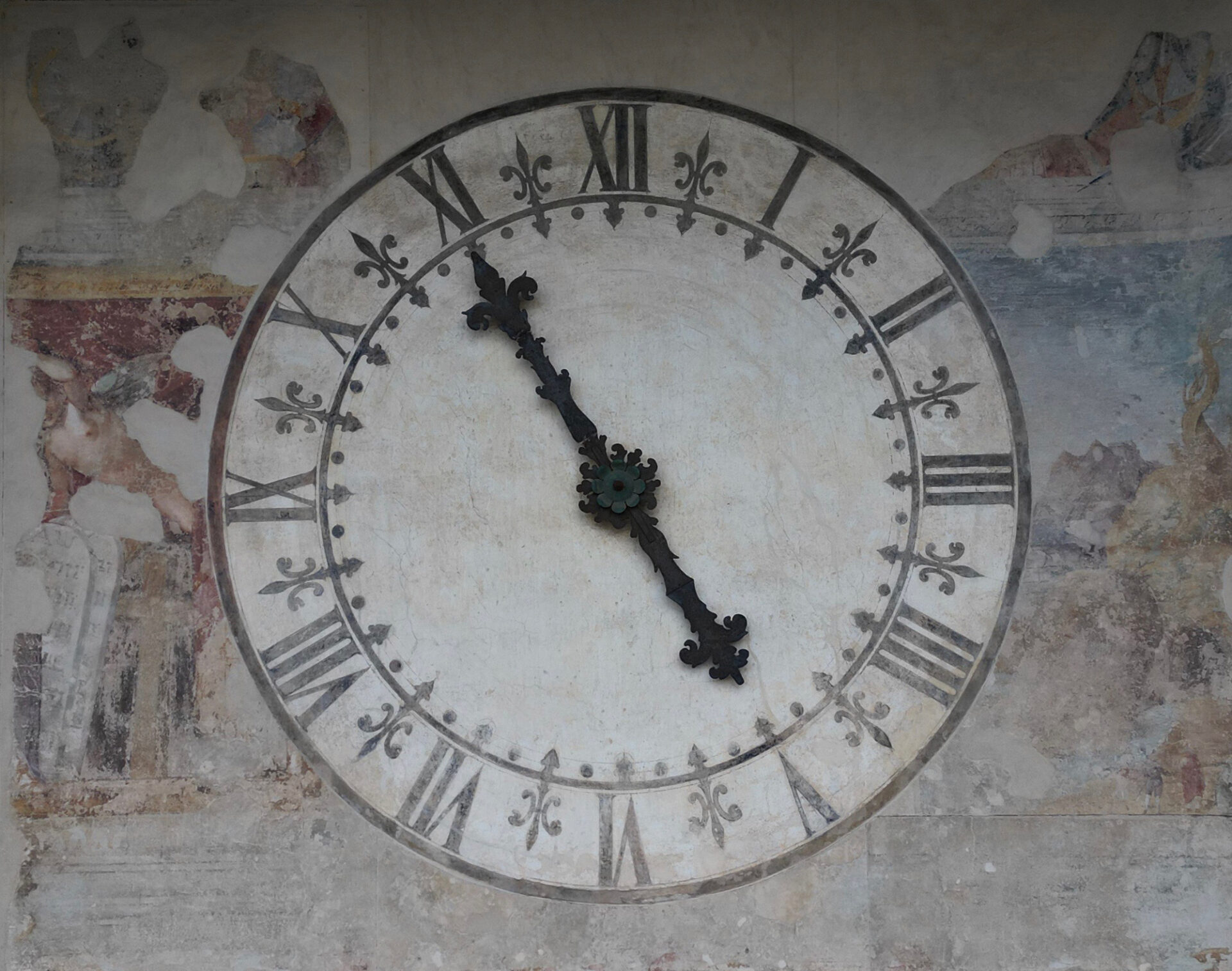
Palazzo dell’Orologio
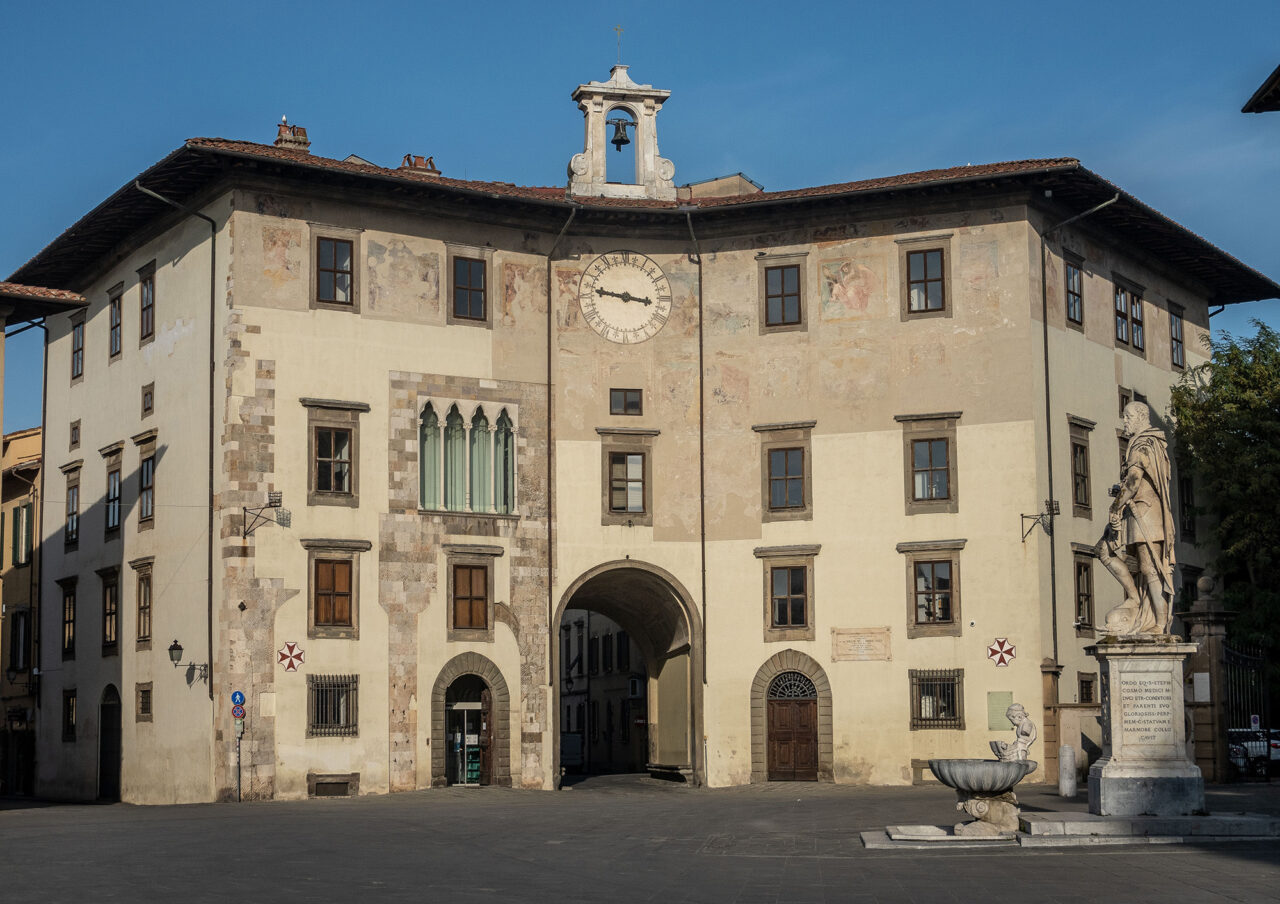
The palazzo now houses the Library of the Scuola Normale Superiore.
It was built between 1603 and 1608 by Cosimo Pugliani, who may have worked from designs by the late Giorgio Vasari. In its right wing, the Tower of Famine (11th–early 12th century) was incorporated—the setting of the tragic fate of Count Ugolino della Gherardesca, recounted in Canto XXXIII of Dante’s Inferno. The left wing, connected to the other by a covered passageway since at least the fifteenth century, resulted from the remodelling of the so-called Palazzo del Capitano del Popolo, dating from the early fourteenth century.
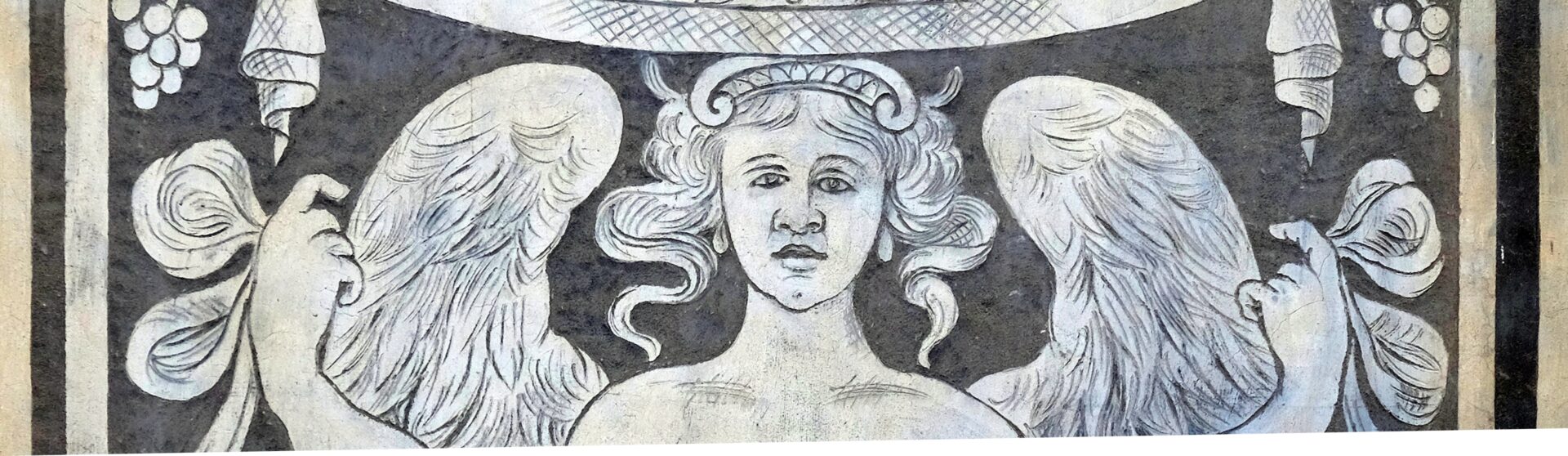
In the intentions of Grand Duke Ferdinando I de’ Medici, as had already occurred under his father Cosimo with Palazzo della Carovana, the aim was to incorporate medieval structures of different periods behind a unified façade, distinguished in this case by fresco decoration extending also to the intrados of the vault linking the two wings. Now difficult to read, this decoration was carried out between 1607 and 1608 to celebrate both Medicean power and that of the Order of Saint Stephen.
Originally known as Palazzo or Palazzotto del Buonomo, in reference to its first function as an infirmary for the Knights of Saint Stephen, the palazzo took its present name in 1696, after the clock from the façade of the church of Santo Stefano was installed on its own. Still owned by the Order until the early nineteenth century and regularly used in the eighteenth century to accommodate its most distinguished members, it subsequently passed through several hands before being purchased in the early twentieth century by Count Alberto della Gherardesca, who had it refurbished in Neo-Gothic style. At the same time, the superintendent Peleo Bacci oversaw the opening of the quadrifora on the piano nobile (1919–1920). Following its acquisition by the Scuola Normale Superiore in 1970, a conservation restoration was undertaken, which brought to light significant medieval remains of the composite structure, including the Tower of Famine, now used by the institution as a museum space.
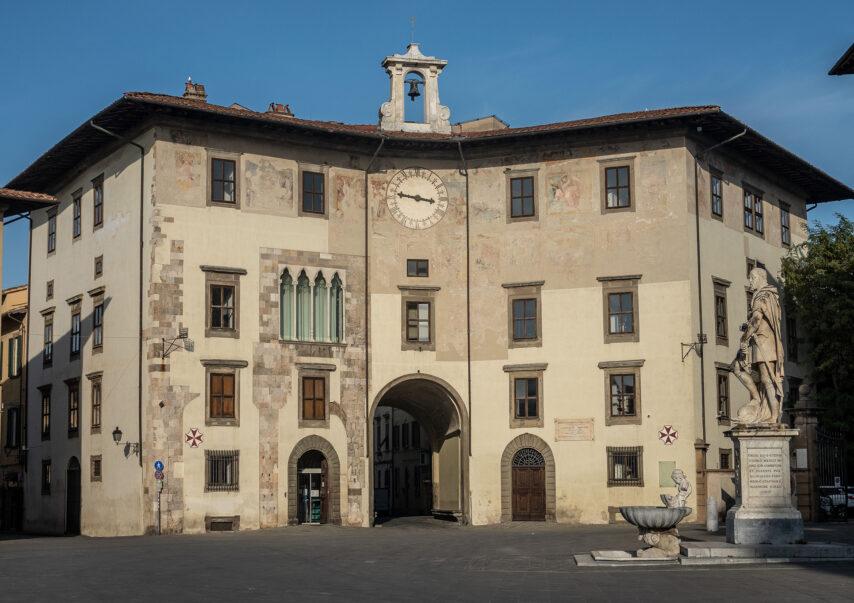
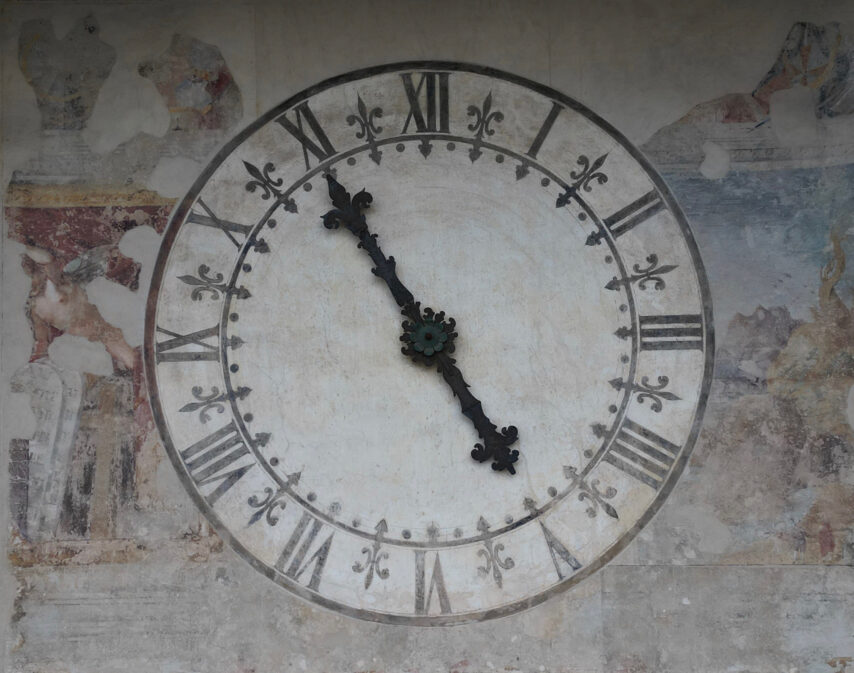
Palazzo dell’Orologio
Main EntryMedia gallery
Newsletter
Stay in Touch
Sign up for the Piazza dei Cavalieri newsletter
to receive updates on project progress and news.